















Buying a wall oven for your kitchen is not a straightforward as you may think. Sure, most wall ovens will do the job of baking cookies or broiling a roast. However, there are plenty of other considerations such as fuel types, smart functions, specialized cooking programs, and so much more that can make your next wall oven the best decision you’ve ever made – if you know what to look for.
At Appliance Palace, we want you to be certain that the appliance you choose will live up to your expectations before you buy it. So we’ve picked our experts’ brains to learn everything our customers should know about wall ovens before browsing our vast inventory of high-quality appliances. That way, you’ll be able to quickly and efficiently narrow down your search to the features and functions you need – or didn’t know that you needed.
Before You Buy
The last thing you want on delivery day is to find out you can’t use your new wall oven. Let’s go through some basic housekeeping tips to determine which models are compatible with both your preferences and your installation space.
- Measurements: Leave clearance on all sides of your wall oven in its cutout per the manufacturer’s instructions to avoid overheating. Most wall ovens require a minimum of 24” in depth.
- Accessibility: Regardless of which direction the door swings, make sure it has clearance to fully open without bumping into adjacent cabinets.
- Electrical Hookups: Most wall ovens require a dedicated 240V circuit. We strongly advise against plugging other appliances into the same line as your wall oven. This could trip the breakers and damage your appliances.
- Ventilation: Since they are built-in appliances, wall oven need to vent heat, usually out of their bottom front or top front. Ensure the materials of your cutout near the vents are adequately heat resistant and that the vents are not obstructed by decorative panels or trims.
- If Placing Under a Cooktop: Many cooktops are drop-in units, allowing you to use the cutout underneath for a compatible wall oven from the same brand. The material of your countertop and cabinets should be able to hold the weight of both appliances. At least 2”-3” of vertical clearance between the appliances is necessary for proper installation, but always check the manufacturer’s specifications for precise measurements. This is to ensure both appliances do not share ambient heat, electrical or gas routing from either appliance do not interfere with one another, and appliance technicians can more easily service either appliance without removing both.
Configuration Types
Configuration refers to the design style of your wall oven. When deciding on a configuration, it is important to first consider how you intend to use your wall oven, the type of food you will be cooking, and how much oven space you’ll need. Let’s go through the basics of each to narrow down your selection.
Single Wall Ovens
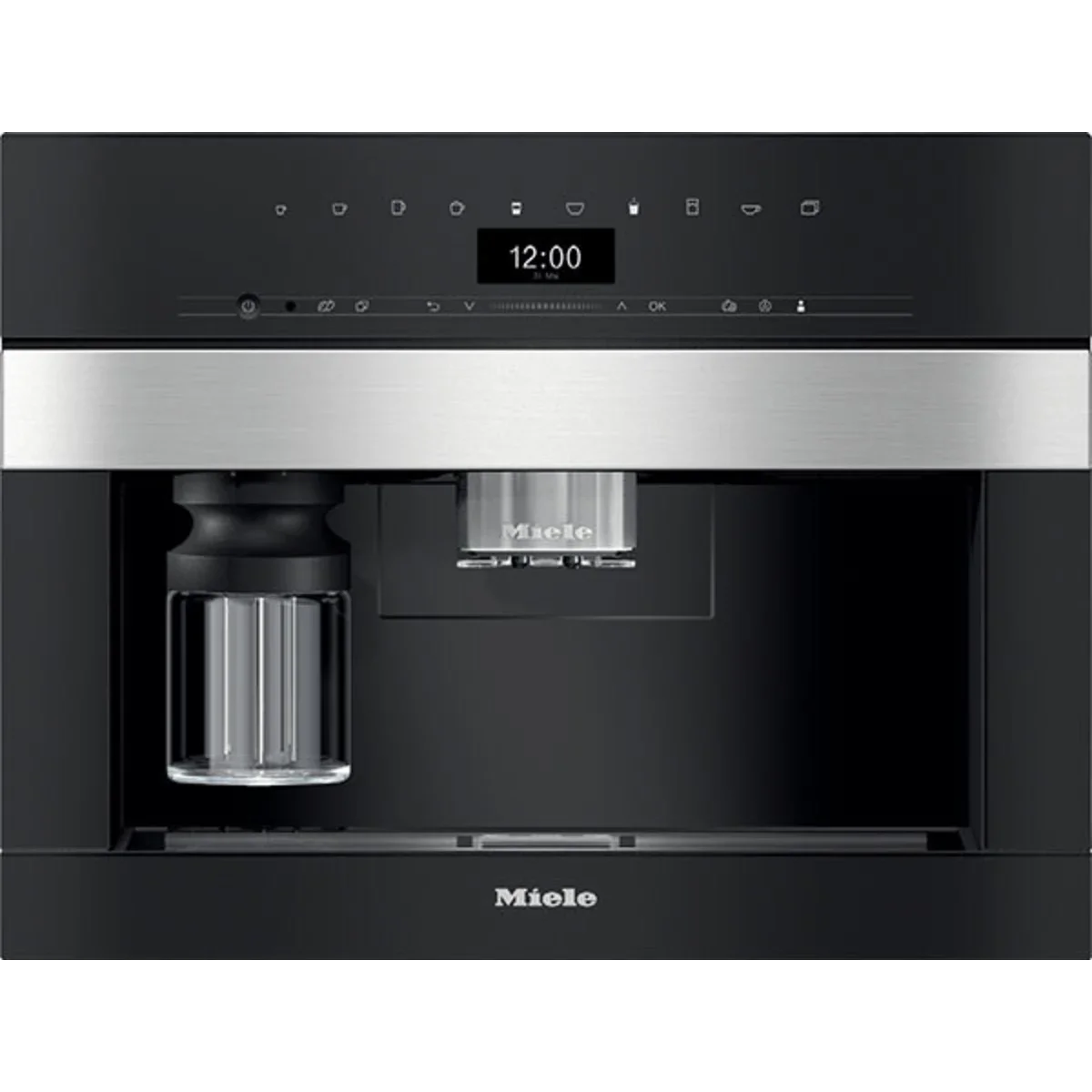
This is the standard wall oven type – a single oven cavity with all the same functions as a standard range’s oven (baking, broiling, defrosting, etc). When integrated into a wall unit with appliances from the same brand, you can have an entire cooking suite that includes warming drawers, coffee systems, and more!
Steam Wall Ovens
Steam cooking has been lauded for its wide array of unique benefits during food preparation. More nutrients are retained, textures come out crispier and more vibrant, and meats stay juicy! A steam wall oven is nearly identical in construction to a single wall oven except for one key difference – a refillable water reservoir which is used to pump steam into the oven cavity during cooking. In some high-end models, a plumbed cold water line can be connected to the oven for continuous steam production.
Speed Wall Ovens
Speed wall ovens tend to be vertically slimmer than standard wall ovens, almost resembling a built-in microwave. Their smaller oven cavities rapidly accelerate the preheating and cooking process. On top of that, they combine conventional convection cooking with microwave technology to speed up dinner preparation even further! These units are most suited for smaller trays of food, serving as a supplementary cooking unit to your main oven when preparing multicourse meals.
Double Wall Ovens
As the name suggests, this configuration is two full-size wall ovens with separate cavities in a single appliance. Depending on the model, one of the cavities may come with steam cooking functionality. If you frequently host large meals, this configuration is essential for saving time preparing multiple large dishes with different cooking requirements.
Wall Oven and Microwave Combos
This configuration combines a microwave (or in some cases, a speed oven) with a single wall oven. Rather than installing these units separately, they are seamlessly combined into one appliance with matching handles, finishes, trims, and control panels – extremely desirable for designer kitchen remodels. This saves you cabinet space since you can fit everything into a single cutout for easier installation.
Triple Wall Ovens
A triple wall oven combines a double wall oven with a warming drawer. Warming draws have low-heat cooking functions for things such as dough proofing and can be used to keep non-food items like serving platters warm.
Door Opening Style
Another key consideration to make when choosing a wall oven style is the clearance available to you around your wall oven’s installation space. The door should be able to open fully without being obstructed by adjacent cabinets. It also should not cut off walking paths in narrow kitchens or keep you from standing in front of it to safely load and unload heavy trays. Note: While single oven units will have one of the following, double and triple oven designs can combine each into unique combinations depending on the model you choose.
- Drop Down: The standard door opening direction for most wall ovens.
- French Door: A pro-style double door configuration that opens from the center, each side requiring less clearance to open than a single door. This style is safer than a drop down unit since you don’t need to lean over a hot oven door.
- Side Swing: Provides the same safety and style benefits of a French door models, except with a single door.
Fuel Types
When deciding on a primary fuel type for your wall oven, it is important to consider more than just their power. Each one comes with its own specific strengths and tradeoffs that make it suitable for different lifestyles and cooking preferences.
Gas Wall Ovens
Gas ovens produce heat through combustion, which creates a moisture-rich environment compared to electric ovens. This additional moisture helps meats retain more of their juices, produces a higher rise in baked loaves, and desserts like cookies or cakes will have less cracks in their surfaces. The main tradeoff is that gas ovens without a convection fan have less even heat distribution than electric units.
Electric Wall Ovens
Electric ovens produce a drier baking environment compared to gas ovens, making them superior for crisping foods like homemade croutons, roasted potatoes, thin crust pizzas, and puff pastries. Unlike gas, they can maintain consistent temperatures throughout the oven cavity roughly within a 5°F range. The main tradeoff is that electric ovens take longer to preheat to their target temperature compared to gas units.
Premium Features and Design Elements
Luxury wall ovens have numerous specialized features and design elements that greatly enhance daily cooking, including:
- Single and dual convection fans circulate hot air throughout the oven cavity, eliminating cold spots and producing even baking results on all sides of your food. This also cuts down cooking times, potentially reducing static cooking recipes by several minutes.
- In-oven cameras on select models allow you to monitor food progress without opening the door, releasing hot air, and slowing down the cooking process.
- Soft-close doors prevent slamming to preserve the integrity of your oven’s hardware.
- Touchscreen displays let you easily navigate between oven settings with a simple swipe of your finger.
- Edge-to-edge glass windows give your wall oven a sleek, minimalist look that blends smoothly with surrounding cabinetry.
- Specialty cooking modes like air fry and steam cooking not only expand your cooking repertoire – they make foods healthier, too! Air frying requires little to no oil to create low-calorie finger foods, while steam lets you cook sous vide dishes that preserve most of their nutrients.
- Wireless temperature probes communicate directly with luxury wall ovens’ control panels and automatically shut off the oven once optimal internal food temperatures are reached.
- Smart features and Wi-Fi connectivity add hands-free functionality to your wall oven, letting you operate it by means of a smartphone app or even your voice.
Smart Wall Ovens and Wi-Fi Features
Whether it’s your phone to your Bluetooth speaker, your computer to your TV, and now even with appliances, the era of “smart” and “connected” devices is going strong. However, most people are not sure of the difference between smart appliances and connected appliances.
Smart Wall Ovens
“Smart” refers to intuitive operations initiated by the wall oven unit when certain sensors are triggered. An example of this is Miele’s Residual Heat Utilization feature which allows select wall ovens to save energy at the tail end of the cooking process. When the oven’s temperature probe detects your food is close to its ideal internal temperature, it prematurely shuts off the oven, utilizing residual heat to complete the cooking process.
Connected Wall Ovens
“Connected” refers to Wi-Fi compatibility. Connected wall ovens can access the internet to download updates, send notifications to your smartphone, allow the manufacturer to perform remote diagnostics, let you operate the wall oven with your voice using a smart home manager, and so much more. One of the most impressive modern examples of this is Bosch wall ovens that can sync with the Home Connect™ smartphone app. Using Home Connect™, you can preheat the oven remotely from your phone, allowing you to get a head start on dinner before you even reach your house after work.